Archives
- 2026-10
- 2026-09
- 2026-08
- 2026-07
- 2026-06
- 2026-05
- 2026-04
- 2026-03
- 2026-02
- 2026-01
- 2025-12
- 2025-11
- 2025-10
- 2025-09
- 2025-03
- 2025-02
- 2025-01
- 2024-12
- 2024-11
- 2024-10
- 2024-09
- 2024-08
- 2024-07
- 2024-06
- 2024-05
- 2024-04
- 2024-03
- 2024-02
- 2024-01
- 2023-12
- 2023-11
- 2023-10
- 2023-09
- 2023-08
- 2023-07
- 2023-06
- 2023-05
- 2023-04
- 2023-03
- 2023-02
- 2023-01
- 2022-12
- 2022-11
- 2022-10
- 2022-09
- 2022-08
- 2022-07
- 2022-06
- 2022-05
- 2022-04
- 2022-03
- 2022-02
- 2022-01
-
The medicinal properties of guanidine derivatives
2022-03-14
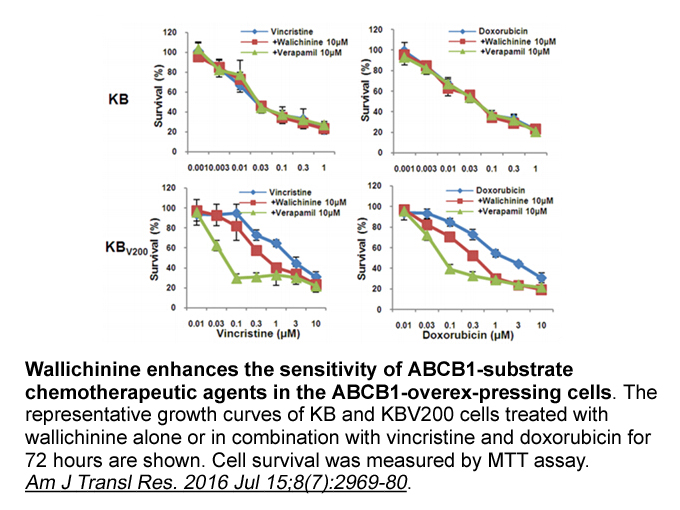
The medicinal properties of guanidine derivatives are also of great interest due to their diverse anti-microbial, anti-inflammatory, anti-viral, and anti-cancer, activities (C and D). Guanidine-containing drugs, such as -iodobenzylguanidine and methylglyoxal bis(guanylhydrazone), were shown several
-
br Introduction The discovery that the nitric oxide
2022-03-14
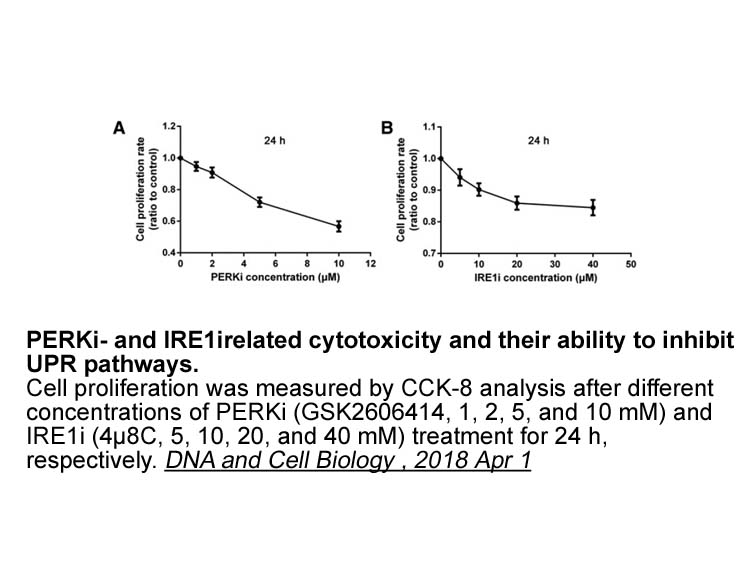
Introduction The discovery that the nitric oxide (NO), soluble guanylate cyclase (sGC), and cyclic guanosine monophosphate (cGMP) pathway mediates erection has led to the use of phosphodiesterase type 5 (PDE-5) inhibitors as the gold standard for treating erectile dysfunction (ED) through the inh
-
difluprednate br Introduction Depressive disorder is
2022-03-12

Introduction Depressive disorder is a syndrome characterized by a group of heterogeneous symptoms that affect more than 350 million people worldwide, 4% of world population (WHO, 2012). The WHO estimates depression will be the leading global cause of disability in 2020, with tremendous economic c
-
Likewise and considering the aforementioned biological actio
2022-03-12
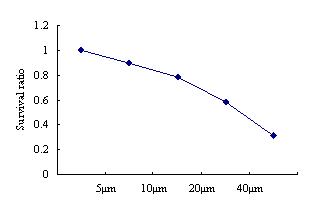
Likewise, and considering the aforementioned biological actions of ketogenic diet-derived MCFA on neuronal excitability, it could be postulated that specific receptors for fatty acids could also be involved. For example, the GPCR for medium to long chain fatty acids, FFA1/GPR40, might also contribut
-
Human GPR hGPR was originally
2022-03-12
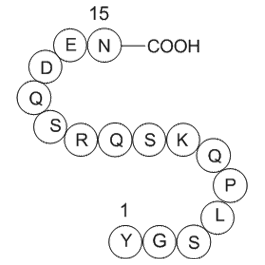
Human GPR55 (hGPR55) was originally isolated in 1999 as an orphan GPCR with high levels of expression in human striatum (Sawzdargo et al., 1999) (Genbank accession # NM_005683.3). hGPR55 was mapped to human chromosome 2q37, and in the human CNS it is predominantly localized to the caudate, putamen,
-
GLP is an intestinal peptide hormone that is released
2022-03-12
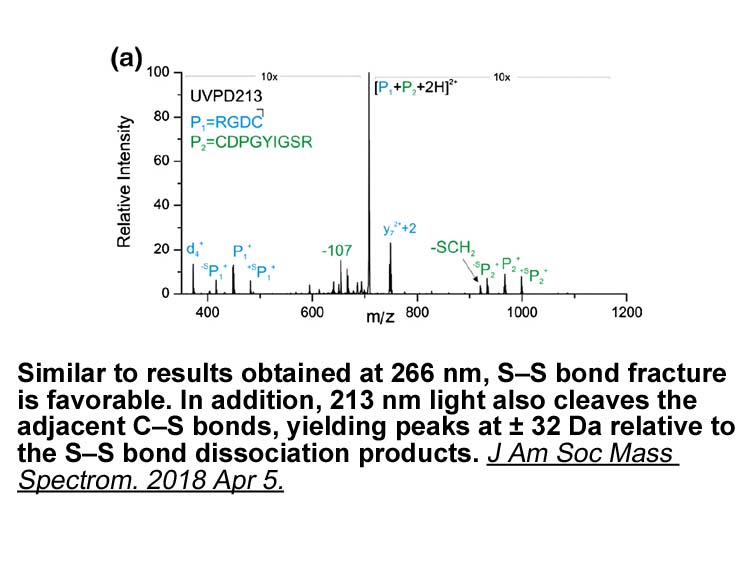
GLP-1 is an intestinal peptide hormone that is released by the gut following ingestion of food, particularly PF 1022A and fats. Following its release, GLP-1 stimulates pancreatic β-cells to secrete insulin (Hirasawa et al., 2005, Covington et al., 2006). Originally, GLP-1 acted in a similar manner
-
G protein coupled receptor GPCR
2022-03-12
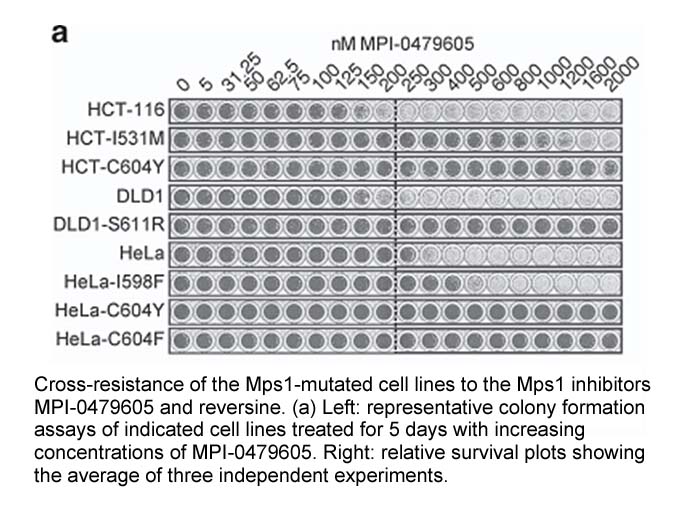
G-protein-coupled receptor (GPCR) ligands can be classified as either orthosteric or allosteric modulators. Orthosteric and endogenous ligands bind to the same site, which is topologically distinct from the allosteric site. In general, the binding domains of different orthosteric ligands may not exa
-
Curcumin is the active ingredient extracted from the
2022-03-12
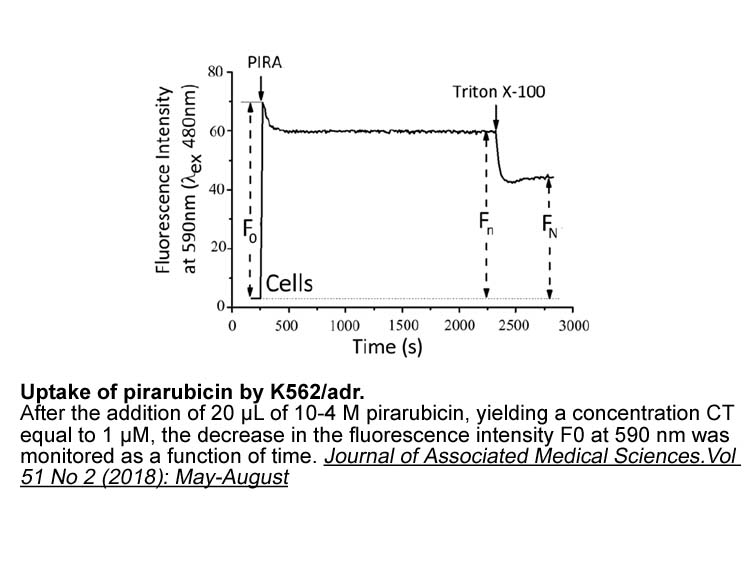
Curcumin is the active ingredient extracted from the natural medicine turmeric rhizome (Goel et al., 2008, Aggarwal and Harikumar, 2009). Studies have shown that curcumin has anti-tumor, anti-inflammatory, antioxidant and antimicrobial properties (Larsen et al., 2007, López-Lázaro, 2008). Although c
-
In three groups independently proposed two different mechani
2022-03-12
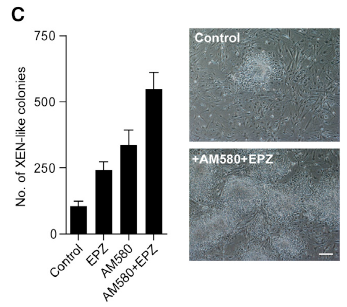
In 2001, three groups independently proposed two different mechanisms for the catalytic reaction of GlxI [5], [6], [7]. Richter and Krauss (RK) used HF/4–31G calculations of the active site, coupled with a frozen effective fragment potential description [8], [9] of eleven residues in the binding sit
-
FPG had no consistent activity in reducing G T
2022-03-12
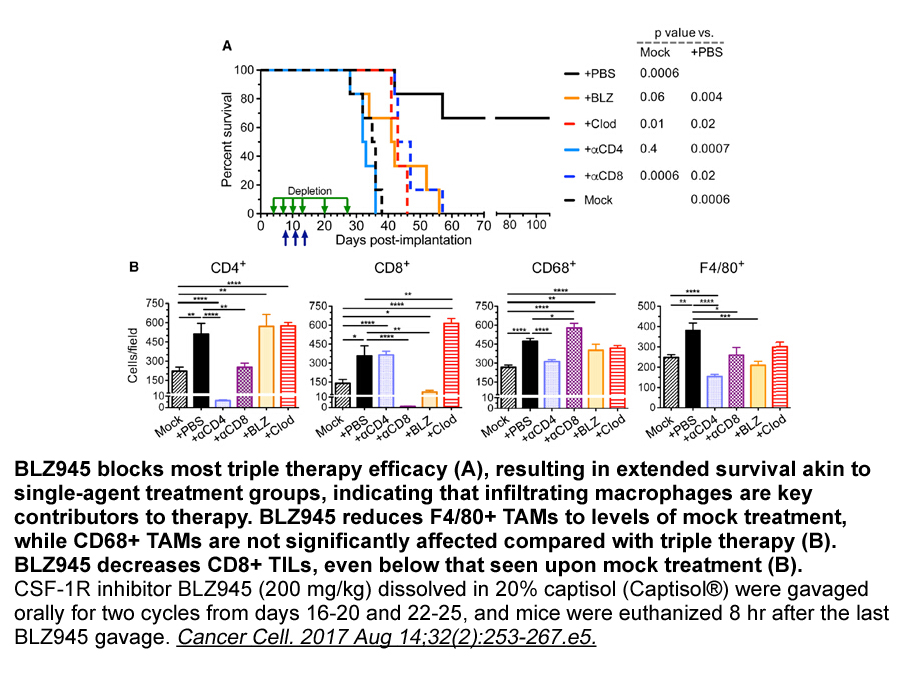
FPG-2 had no consistent activity in reducing G→T transversions. Gao and Murphy [2] earlier reported that FPG-2 had a limited amount of activity in vitro on depurinated, UV-treated, and methylene-blue-treated DNA (but not on 8-oxo-G-containing oligonucleotides). FPG-2 contains the N-terminal domain a
-
Both preclinical and clinical studies
2022-03-12
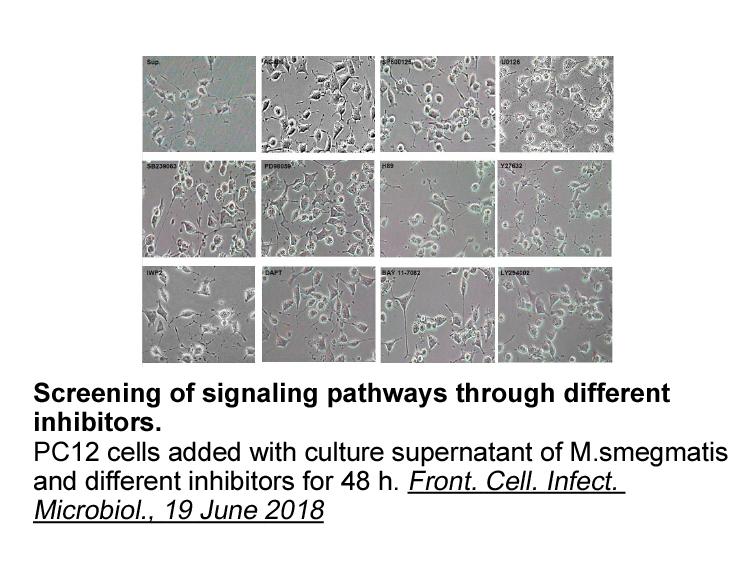
Both preclinical and clinical studies have identified a distributed set of CNS nuclei that participate in cognitive control of feeding behavior. Preclinical studies that utilize restricted access feeding schedules (RFS) indicate that rodents learn to anticipate delivery of scheduled meals as indicat
-
Cx has been shown to
2022-03-12
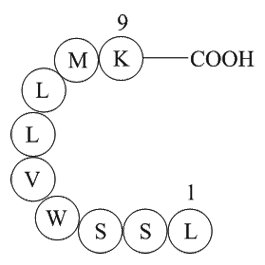
Cx45 has been shown to be serine phosphorylated by CaMKII, CK1, PKA, and MAPK in HeLa cas chemical [77], [78]. Phosphorylation by PKA and MAPK were associated with decreased junctional conductance [78], suggesting that phosphorylation of Cx45 may influence conduction properties. Overall, the roles
-
How changes in APP processing by secretase
2022-03-12
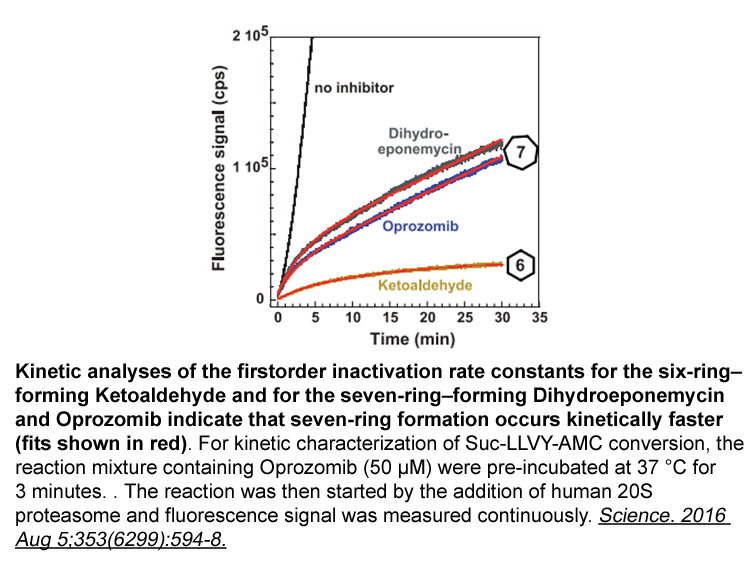
How changes in APP processing by γ-secretase lead to AD is still not well understood. Deposition of amyloid beta (Aβ) peptide fragments of the amyloid precursor protein (APP) in amyloid plaques and hyperphosphorylated tau in neurofibrillary tangles are the cellular hallmarks of AD (O’Brien and Wong,
-
In general FPSs require Mg or Mn as a
2022-03-12
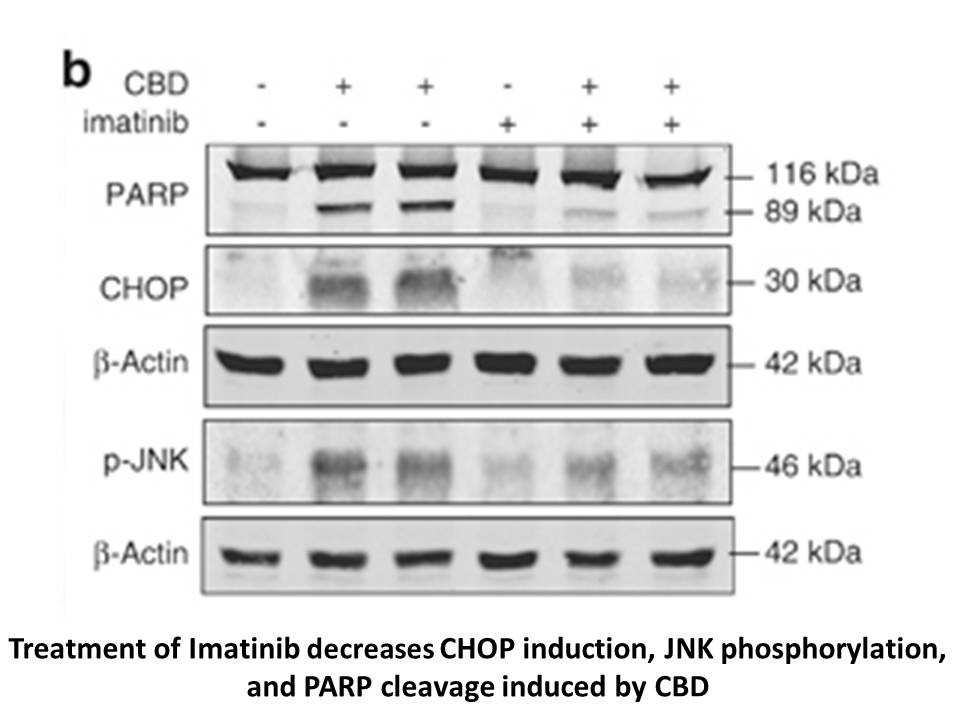
In general, FPSs require Mg2+ or Mn2+ as a cofactor for GPP and FPP synthesis. Co2+ also acts as a cofactor in EuFPSs, as in the case for PcFPS and Abies grandis FPS [29], [44]. Co2+ enhanced the activity of EuFPS1 more than the activity of EuFPS2: Mg2+, Mn2+ and Co2+ had approximately the same effe
-
Nonetheless several questions remain to be answered
2022-03-12
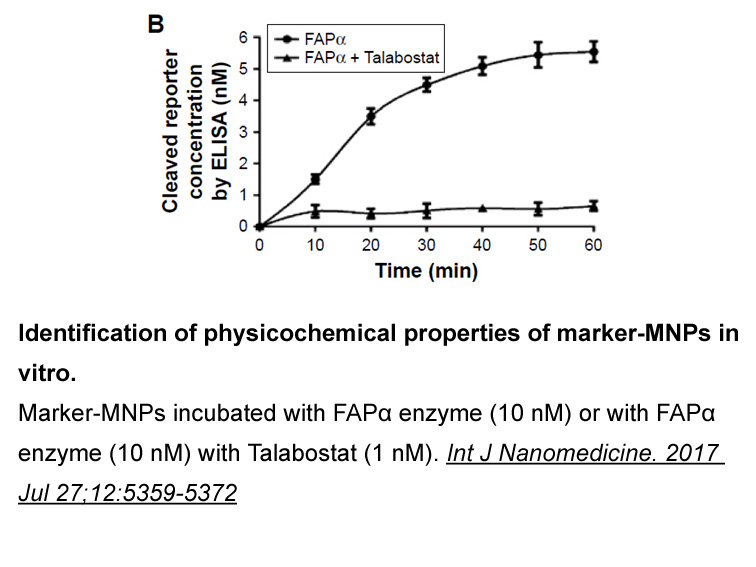
Nonetheless, several questions remain to be answered about FAAH inhibition to address cannabis use disorder. The trial was of short duration (4 weeks), whereas most clinical trials in this field have been for 8–12 weeks., , , Although motivational deficits are commonly present in cannabis users and
8026 records 495/536 page Previous Next First page 上5页 491492493494495 下5页 Last page